


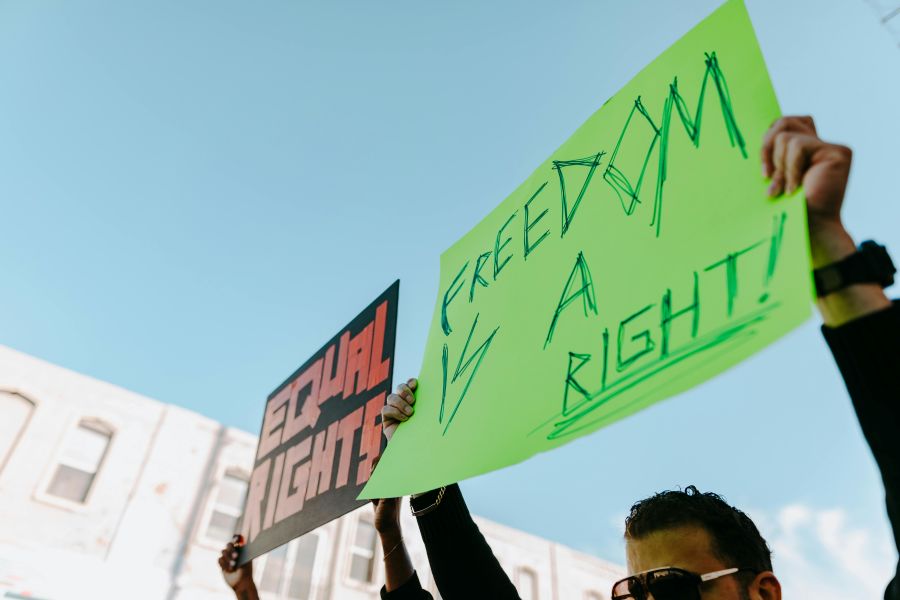
The Civil Rights Movement is one of the most transformative social movements in American history, aimed at securing equal rights and justice for African Americans. The struggle began long before the 1950s, but it gained significant momentum in the 1950s and 1960s, becoming a nationwide fight for equality. From the abolition of slavery to segregation laws, Black Americans had been fighting for freedom and justice for centuries. Yet, despite the abolition of slavery after the Civil War, discriminatory Jim Crow laws and racial segregation continued to oppress Black people, especially in the South. In this article, we will explore the question: when did the Civil Rights Movement start? We’ll examine the key events, historical moments, and influential figures that helped shape this monumental era.
When did the civil rights movement start?
The Civil Rights Movement gained national attention in the 1950s and 1960s, although its roots date back to the post-Reconstruction era. Landmark events such as the 1954 Brown v. Board of Education decision, Rosa Parks’ arrest in 1955, and the 1963 March on Washington marked pivotal moments in the movement. It was a time when Black Americans, alongside many allies, mobilized for racial equality and justice.
The Roots of the Civil Rights Movement: Pre-1950s
The roots of the Civil Rights Movement can be traced back to the post-Civil War period when African Americans first fought for their freedom and equal rights. Although slavery was abolished in 1865, systemic racism persisted, especially in the form of Jim Crow laws in the South. These laws enforced segregation and denied Black Americans equal rights in education, housing, and public facilities. While the fight for equality was ongoing, early victories, such as the passage of the 14th and 15th Amendments, offered some hope by granting citizenship and voting rights to African Americans.
During the late 19th and early 20th centuries, African American leaders like Booker T. Washington, W.E.B. Du Bois, and Ida B. Wells worked tirelessly to address inequality. The formation of the NAACP (National Association for the Advancement of Colored People) in 1909 marked a key milestone in organized civil rights activism, aimed at challenging racial discrimination through legal and political means.
The rise of racial violence, however, especially during the early 20th century, highlighted the need for more urgent action. These challenges set the stage for the formal Civil Rights Movement that would begin in the 1950s, following years of groundwork laid by earlier activists.
Core Events That Sparked the Civil Rights Movement
Landmark Moments in the 1950s and 1960s
- Brown v. Board of Education (1954): The Supreme Court’s 1954 decision declaring racial segregation in public schools unconstitutional was a monumental victory for the Civil Rights Movement. It served as a catalyst for further legal challenges to segregation.
- Rosa Parks and the Montgomery Bus Boycott (1955): Rosa Parks’ act of defiance in Montgomery, Alabama, when she refused to give up her seat on a segregated bus, sparked the Montgomery Bus Boycott. This 381-day boycott was a pivotal moment that mobilized African Americans and placed Martin Luther King Jr. in the national spotlight.
- The Sit-In Movement (1960): Four Black college students in Greensboro, North Carolina, staged a sit-in at a segregated lunch counter, igniting a wave of sit-ins across the country. This movement would later help establish the Student Nonviolent Coordinating Committee (SNCC) to organize youth activism.
The Emergence of Nonviolent Protest
Leaders like Dr. Martin Luther King Jr. promoted nonviolent protest as a powerful tool for social change. His leadership during the Montgomery Bus Boycott demonstrated the effectiveness of peaceful resistance and set the tone for future activism.
The March on Washington: A Defining Moment in the Movement
On August 28, 1963, more than 250,000 people gathered in Washington, D.C., for the historic March on Washington for Jobs and Freedom. Organized by civil rights leaders such as A. Philip Randolph and Bayard Rustin, the march was a pivotal moment in the Civil Rights Movement.
- Dr. King’s “I Have a Dream” Speech: Dr. King’s iconic “I Have a Dream” speech, delivered during the march, became a rallying cry for equality and justice, and remains one of the most memorable speeches in American history.
- Pressuring Congress for Civil Rights Legislation: The march not only called for racial equality but also for jobs and economic opportunity. Its success helped pressure Congress to pass landmark civil rights legislation.
Legal Victories: The Civil Rights Acts of 1964 and 1965
Civil Rights Act of 1964
- Ending Legal Discrimination: The Civil Rights Act of 1964 was a landmark piece of legislation that prohibited discrimination based on race, color, religion, sex, or national origin. It helped dismantle segregation in public facilities, schools, and employment.
- Enforcing Equal Rights: The Act gave the federal government greater power to enforce desegregation laws, particularly in the South, and created the Equal Employment Opportunity Commission (EEOC) to address job discrimination.
Voting Rights Act of 1965
- Protecting Voting Rights: Following the violence of “Bloody Sunday” during the Selma to Montgomery march, the Voting Rights Act of 1965 was signed into law, ensuring federal oversight of voter registration in Southern states and eliminating literacy tests and poll taxes that had been used to disenfranchise Black voters.
Challenges and Setbacks in the Civil Rights Movement
Despite the achievements of the Civil Rights Movement, challenges remained. Internal divisions, shifts in political support, and growing tensions over the movement’s direction created obstacles. Some believed that more radical approaches were needed, leading to the rise of groups such as the Black Panther Party and the Black Power movement.
Opposition from Segregationists
While the federal government passed important legislation, opposition from segregationists in the South remained entrenched. Groups like the Ku Klux Klan used violence and intimidation to stifle Black activists, and law enforcement often failed to protect them.
The Assassinations of Key Figures
The tragic deaths of Martin Luther King Jr. in 1968 and Malcolm X in 1965 left a deep impact on the movement. Their assassinations further fueled the urgency for change, but also left a void in leadership, creating uncertainty about the future of the movement.
The Lasting Impact and Legacy of the Civil Rights Movement
The Civil Rights Movement made profound changes to the United States, but its work is far from over. The movement inspired future generations of activists, including those advocating for women’s, LGBTQ, and immigrant rights.
- A Legacy of Legal and Social Change: The movement’s legal victories, such as the Civil Rights Act and the Voting Rights Act, laid the foundation for future advocacy efforts and contributed to the ongoing fight for equality in America.
- Continued Struggles: Despite these victories, systemic racism and inequality still persist today. The Civil Rights Movement’s legacy serves as a reminder that the struggle for racial justice is ongoing, as seen in modern movements like Black Lives Matter.
Conclusion
The Civil Rights Movement marked a pivotal moment in American history, reshaping the social and legal landscape for African Americans. From the early battles during Reconstruction to the landmark victories of the 1960s, the movement demonstrated the power of peaceful protest and collective action. While significant progress has been made toward legal equality, the fight for racial justice continues today. Understanding the roots of the Civil Rights Movement and its ongoing impact is essential for continuing the work toward a more just and equal society.
FAQ’s
When did the Civil Rights Movement begin?
The movement gained significant momentum in the 1950s and 1960s, but its roots date back to the Reconstruction era following the Civil War.
What were some key events of the Civil Rights Movement?
Key events include the Brown v. Board of Education decision (1954), the Montgomery Bus Boycott (1955), and the March on Washington (1963).
Who were the main leaders of the Civil Rights Movement?
Dr. Martin Luther King Jr., Rosa Parks, Malcolm X, and many others played pivotal roles in advocating for civil rights.
What was the impact of the Civil Rights Movement?
The movement led to the passage of key laws, such as the Civil Rights Act of 1964 and the Voting Rights Act of 1965, which dismantled legal segregation and ensured voting rights for African Americans.
Is the fight for civil rights over?
While significant progress was made, the fight for racial equality continues today, with ongoing efforts to address systemic racism and inequality.
