


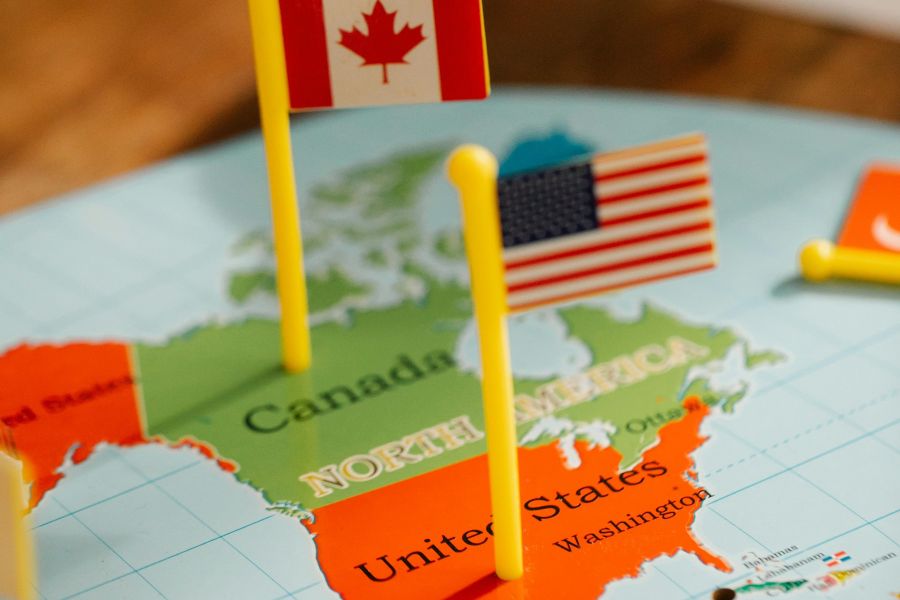
The Canada-US border is one of the most frequently crossed borders in the world, with millions of travelers moving between the two countries each year. However, the rules governing border crossings, particularly during global health concerns or political changes, are subject to change. The Canada-US border travel advisory is an essential resource for those planning to visit or transit between the United States and Canada. This advisory provides up-to-date information on entry requirements, safety precautions, health protocols, and more, helping travelers make informed decisions before their journey.
With recent changes in travel regulations, understanding the advisory is more important than ever. Whether you’re traveling by land, air, or water, staying up to date on the latest updates can save you time and prevent complications at the border. In this article, we will break down key factors influencing the Canada-US border travel advisory, including health-related guidelines, customs requirements, and general travel safety tips. This guide will help ensure a smoother crossing for both tourists and business travelers alike.
What Is the Canada-US Border Travel Advisory?
The Canada-US border travel advisory is an official document issued by government authorities to inform travelers about the requirements and restrictions for crossing the border between the United States and Canada. This advisory is regularly updated to reflect the latest changes in travel regulations, including health and safety protocols, customs procedures, and travel restrictions.
It is important for travelers to monitor the advisory closely, especially when planning to cross by land, air, or water. The advisory covers a wide range of information, including visa requirements, customs regulations, and health protocols, such as COVID-19 testing and quarantine guidelines. Additionally, the advisory often highlights specific entry points and border crossing hours, ensuring travelers are prepared for their trip.
Understanding the Canada-US border travel advisory is crucial for ensuring compliance with both countries’ regulations and avoiding any surprises at the border. The advisory may also provide updates on temporary restrictions, such as travel bans or entry delays, particularly during crises or emergencies.
Essential Factors Influencing the Canada-US Border Travel Advisory
The Canada-US border travel advisory provides crucial updates on health, customs, and entry requirements to ensure safe, informed travel.
Health and Safety Protocols
- COVID-19 Travel Restrictions: Health protocols, such as vaccination requirements and COVID-19 testing, are often a central focus of the travel advisory. Travelers may be required to provide proof of vaccination or negative test results before crossing the border. These rules change in response to the evolving pandemic situation, so it is vital to stay informed.
- Quarantine Requirements: Travelers who are not fully vaccinated or who test positive for COVID-19 may be required to quarantine upon arrival in either Canada or the United States. Quarantine rules can vary by region, and it’s essential to verify these details in the advisory.
Customs and Documentation Requirements
- Passport and Visa Guidelines: Most travelers will need a valid passport to cross the border. Certain travelers may also require a visa or a visa waiver. The advisory provides specific details on the types of documentation needed, depending on nationality and the purpose of the visit.
- Prohibited Items and Customs Limits: The advisory outlines the types of items that are prohibited from being brought into each country, as well as the limits on duty-free goods. This includes alcohol, tobacco, and other personal items. Travelers should always declare goods at customs to avoid fines or confiscation.
Border Crossing Procedures
- Official Border Crossings: Travelers should use only officially recognized border crossings to ensure they meet legal entry requirements. The advisory often provides a list of these crossings, including those that are open and available for travelers.
- Entry Points for Travelers by Air, Land, or Sea: Whether traveling by car, plane, or boat, the advisory includes information on specific entry points, including hours of operation and security measures. Knowing where and when to cross can save time and help avoid unnecessary delays.
Why Is the Canada-US Border Travel Advisory Important?
The Canada-US border travel advisory plays a crucial role in ensuring travelers are fully prepared for their journey and comply with the regulations of both countries. The importance of this advisory lies in its ability to:
- Provide Essential Information: It ensures travelers have access to the latest updates on entry requirements, travel restrictions, and health protocols, which can vary by situation.
- Minimize the Risk of Delays or Denied Entry: Understanding the advisory helps travelers avoid complications at the border, such as being turned away or delayed due to missing documentation or failure to comply with health regulations.
- Ensure Personal Safety: The advisory also includes travel safety tips, such as areas to avoid and what to do in emergencies. This is especially relevant when traveling to areas with a history of political unrest or high crime rates.
How to Stay Updated on the Canada-US Border Travel Advisory
Staying updated on the Canada-US border travel advisory is vital for all travelers. Here are a few tips on how to stay informed:
- Check Government Websites: Both the U.S. and Canadian governments provide real-time updates on their official websites. These include any changes to border crossing regulations, health requirements, or safety measures.
- Subscribe to Alerts: Many government websites offer subscription services to receive email alerts whenever the advisory is updated. This ensures you don’t miss important changes.
- Consult Travel Agencies: Travel agencies can provide up-to-date travel advisories and help navigate border-crossing rules. They often offer valuable insights, especially for those unfamiliar with the border crossing process.
- Use Mobile Apps: Several mobile apps, such as those provided by customs or government agencies, can notify you of any last-minute changes to travel rules or border operations.
When to Expect Changes in the Canada-US Border Travel Advisory
The Canada-US border travel advisory is subject to change based on multiple factors, including:
- Health and Safety Concerns: Major health crises, such as pandemics, can prompt immediate changes to border regulations, including travel bans or new quarantine protocols.
- Political or Security Events: Political shifts or national security issues may also affect the advisory, resulting in increased scrutiny at border crossings or temporary restrictions.
- Seasonal or Temporary Adjustments: During busy travel periods, such as holidays or summer vacations, temporary changes may be implemented to manage the flow of travelers. Similarly, weather conditions or natural disasters may also impact crossing times and requirements.
Conclusion
The Canada-US border travel advisory is an essential tool for anyone planning to cross the border between the United States and Canada. By staying informed about the latest guidelines, travelers can avoid unnecessary delays, ensure they meet the required health protocols, and adhere to customs regulations. This advisory helps ensure smooth, safe travel across one of the busiest borders in the world, offering peace of mind to both tourists and business travelers. As conditions continue to change, staying up to date with the advisory remains key to a successful journey.
FAQ’s
What is the Canada-US border travel advisory?
It’s a document issued by government authorities that provides guidelines for crossing the border, including health protocols, customs requirements, and entry restrictions.
How often is the Canada-US border travel advisory updated?
The advisory is updated regularly, especially during health crises or security concerns. It’s important to check for the latest updates before traveling.
Do I need a passport to cross the Canada-US border?
Yes, travelers need a valid passport to cross the border, and in some cases, additional documentation, such as a visa or a Trusted Traveler card, may be required.
What should I do if I miss a required document while crossing the border?
If you’re missing a required document, you may be delayed or denied entry. Always check the advisory and ensure you have the necessary paperwork before traveling.
Are there any restrictions on what I can bring across the Canada US border?
Yes, there are restrictions on certain items, such as alcohol, tobacco, and goods exceeding duty-free limits. Travelers must declare any items at customs to avoid penalties.
