


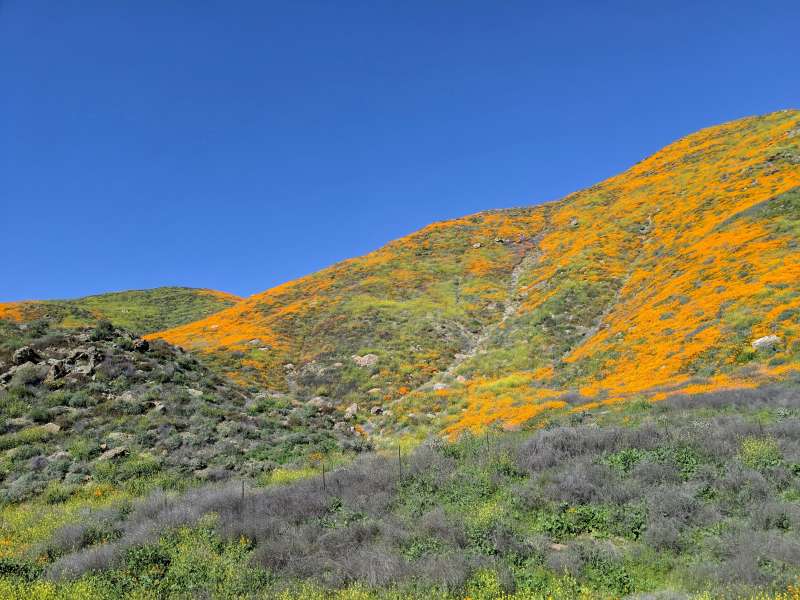
In a stunning display of nature’s resilience, Death Valley, one of the harshest and driest places on Earth, is currently bursting with color as wildflowers bloom across its once-barren landscape. The valley, known for its scorching heat and desolate terrain, has been transformed into a breathtaking canvas of vibrant yellows, oranges, and purples, drawing visitors from around the world to witness this rare phenomenon.
The extraordinary bloom is a result of a series of fortunate environmental conditions, including record rainfall, the perfect temperatures, and well-timed precipitation. Death Valley typically experiences sporadic blooms, but superblooms—when vast expanses of wildflowers cover the desert floor—are a rare occurrence, happening only once every decade.
Why Is Death Valley Experiencing a Superbloom?
For these delicate flowers to thrive, several factors must align. Death Valley’s typically unforgiving environment requires a balance of consistent rain, mild temperatures, and minimal wind damage. The flowers need ample moisture during the fall, winter, and spring to sprout, and this year, the desert got precisely that.
From September to November, Death Valley received 2.41 inches of rain, making it the wettest fall on record. Additionally, November saw 1.7 inches of rain, marking the wettest November in the region’s history. These rains were delivered by atmospheric rivers, which have drenched the West with intense storms throughout the fall and winter seasons, providing just enough moisture to foster the blooming flowers.
While the rains were beneficial, the winds in Death Valley can be harsh, often gusting between 40 to 50 mph. These powerful winds typically dry out the plants, stripping them of vital moisture. However, this year, the combination of rain and wind allowed the blooms to endure, making it an extraordinary year for wildflower enthusiasts.
A Once-in-a-Decade Event
Although Death Valley experiences smaller wildflower blooms every year, superblooms like this one are rare and have only occurred a few times in recent history. The last major superbloom in Death Valley took place in 2016, with previous events in 2005 and 1998. During years when conditions aren’t ideal, the wildflower seeds remain dormant in the soil, waiting for the right combination of rainfall and temperature to awaken them. Sometimes, it takes up to a decade for these seeds to germinate and bloom.
Experts from the National Park Service (NPS) emphasize the rarity of superblooms and urge visitors to respect the environment by avoiding the temptation to pick the flowers. These blooms play a crucial role in replenishing the seeds for future generations of wildflowers, and leaving them intact ensures their survival.
Where to See the Bloom in Death Valley
Visitors hoping to witness the vibrant wildflower displays in Death Valley can plan their visit based on the park’s blooming schedule:
- Through mid-April: The lower elevations and foothills will showcase the first blooms.
- Through early May: The 3,000 to 5,000-foot elevations and higher desert slopes will continue to display vibrant colors.
- Through mid-July: The upper slopes of the mountains, at elevations of 5,000 to 11,000 feet, will reach their peak bloom.
While Death Valley steals the spotlight, several other desert parks across California are also experiencing similarly impressive wildflower displays. The combination of sustained rainfall and the region’s optimal conditions for wildflower growth promises a remarkable season for wildflower viewers in the Golden State.
As the superbloom unfolds, experts remind visitors to tread lightly in the desert and take only photos—preserving the natural beauty of this extraordinary event for future generations to enjoy.
