


As the global community seeks more sustainable ways to reduce environmental harm, the choice between hybrid vs electric cars has become a critical conversation. Both types of vehicles promise to reduce carbon footprints compared to traditional gasoline-powered cars. However, the environmental benefits of each vary, depending on factors such as energy efficiency, emissions, and the lifecycle impact of vehicle production.
In this article, we will explore the environmental impact of hybrid and electric vehicles and compare their strengths and challenges. From carbon emissions to battery production and energy use, we’ll examine how these cars help in the battle against climate change. We’ll also look at long-term sustainability and discuss which vehicle option is best for reducing pollution while supporting a greener, cleaner future.
The Core Environmental Benefits of Hybrid vs Electric Cars
This section delves into the key environmental benefits of hybrid and electric cars. Both types help reduce air pollution, but in different ways.
- Electric Cars: EVs have zero tailpipe emissions, which dramatically cuts down air pollution in cities. They also reduce the demand for fossil fuels, which is a major step in tackling climate change.
- Hybrid Cars: Hybrid vehicles reduce fuel consumption by combining an internal combustion engine with an electric motor. Although they still rely on gasoline, they offer a significant reduction in emissions compared to traditional vehicles.
In terms of long-term environmental benefits, electric cars have greater potential to reduce greenhouse gas emissions, especially as energy grids transition to renewable energy.
The Role of Vehicle Life Cycle Analysis in Evaluating Environmental Impact
The life cycle analysis (LCA) of vehicles helps evaluate their environmental impact, considering factors such as production, operation, and disposal.
What is Life Cycle Analysis for Vehicles
Life cycle analysis (LCA) evaluates the total environmental impact of a vehicle from its manufacture to disposal. This includes emissions during production, operation, and end-of-life disposal. For electric vs hybrid cars, the analysis often reveals surprising facts about the hidden environmental costs.
Battery Production and Its Environmental Impact
Manufacturing electric car batteries contributes to higher emissions compared to hybrids. Battery production requires mining materials such as lithium and cobalt, which causes environmental damage. However, electric cars compensate for this initial carbon footprint with zero tailpipe emissions over their operational life.
The Impact of Hybrid’s Dual System on Emissions
While hybrid cars use less fuel than conventional vehicles, they still rely on gasoline, leading to direct emissions. Hybrid cars also have smaller batteries, which emit fewer emissions during production, but they don’t offer the zero-emissions benefit that electric cars do.
The Long-Term Environmental Benefits of Electric Vehicles
Electric vehicles have a long-term advantage in reducing carbon footprints. Over the vehicle’s lifetime, EVs often offer the lowest emissions as they don’t use gasoline and are powered by electricity, which can increasingly come from renewable sources.
- Zero Tailpipe Emissions: EVs have no exhaust emissions, leading to cleaner air in urban areas. This is particularly beneficial in reducing smog and improving air quality.
- Greater Energy Efficiency: Electric vehicles are more energy-efficient than hybrids. They convert a higher percentage of the battery’s energy into motion, which translates into lower energy consumption and reduced emissions.
Hybrid Cars: Pros and Cons for the Environment
Hybrid vehicles offer a balanced approach to reducing emissions, but they still face some challenges. This section will examine the pros and cons of hybrids from an environmental perspective.
Reduced Fuel Consumption
Hybrid vehicles are highly efficient in cities, where they rely more on electric motors. The ability to regenerate energy during braking also increases their fuel efficiency.
Ongoing Dependence on Gasoline
Despite their efficiency, hybrids still use gasoline, so carbon emissions occur during operation. They offer a transitional solution, but they aren’t as eco-friendly as fully electric vehicles in the long run.
Environmental Costs of Battery Production
Like EVs, hybrids require batteries that have an environmental cost. However, hybrid batteries are smaller, reducing their initial environmental impact during manufacturing.
How Battery Technology and Energy Sources Impact Environmental Benefits
The environmental impact of both electric and hybrid cars depends on battery technology and energy sources.
Battery Efficiency and Recycling
Battery production for both hybrids and EVs creates emissions, but advancements in battery technology are helping to reduce this impact. Improved battery recycling methods are also essential for reducing the environmental footprint of both types of vehicles.
The Importance of Renewable Energy in Charging EVs
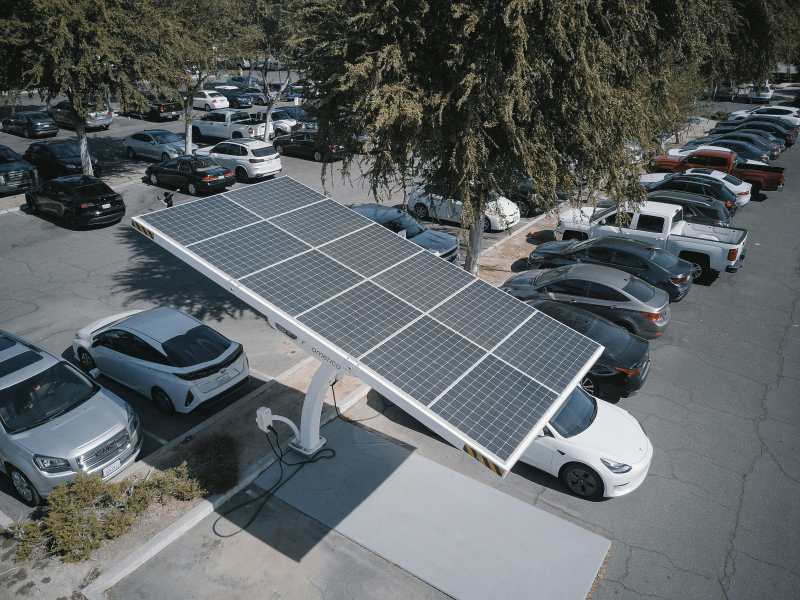
EVs are only as clean as the energy source used to charge them. When charged with renewable energy, such as solar or wind power, electric vehicles can have a much lower carbon footprint than hybrids that still rely on gasoline.
In Closing
When it comes to the environmental impact of hybrid vs electric cars, electric vehicles emerge as the superior option in the long run. EVs produce zero tailpipe emissions and are more energy-efficient, making them a strong contender in the battle against climate change, especially as global electricity grids shift toward renewable energy.
Hybrids, on the other hand, offer a more immediate solution, reducing fuel consumption and emissions compared to traditional cars. However, they still rely on gasoline, which limits their long-term environmental benefits. As we move toward a future powered by clean energy, electric cars will likely lead the way, offering the most sustainable path forward.
FAQ’s
Are electric cars better for the environment than hybrid cars?
Yes, electric cars produce zero emissions during operation and are more energy-efficient than hybrids, making them the cleaner option for the environment.
Do hybrids still produce emissions?
Yes, hybrids still rely on gasoline for part of their operation, which results in emissions, although they are reduced compared to traditional gasoline vehicles.
How does battery production impact the environment for EVs and hybrids?
Battery production for both EVs and hybrids requires energy and raw materials, which contribute to emissions. However, EVs generally have larger batteries, which can have a higher production impact.
What role do renewable energy sources play in EV environmental impact?
EVs have a lower environmental impact when charged with renewable energy sources such as solar or wind power, thereby reducing their overall carbon footprint.
Can hybrids be considered a sustainable option?
Hybrids are more sustainable than traditional vehicles, but they are not as eco-friendly as electric cars, which offer long-term zero emissions.
