


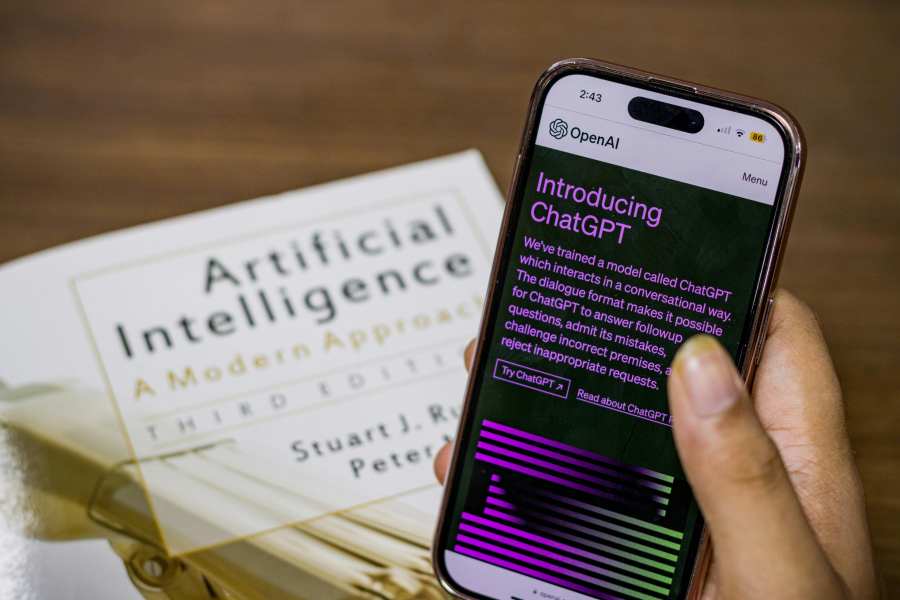
Over the last few decades, the rise of Artificial Intelligence (AI) has transformed nearly every facet of human life. From autonomous vehicles to AI-driven healthcare solutions, technology is progressing at an unprecedented pace. However, this innovation is not without its consequences. Popular media often portrays AI as an existential threat to humanity, with robots surpassing human intelligence, controlling society, or predicting crime before it happens. But are these dystopian futures a reality, or simply overblown fantasies?
The critical question today is not just about how AI is shaping industries, but also how its unchecked growth could lead to privacy violations, unethical practices, and societal disruptions. We are at a crossroads where ethical considerations, such as ensuring AI benefits society without infringing on personal freedoms, must take precedence. This article explores the ethical implications of AI, its potential risks, and how stringent regulations can ensure its responsible use.
Is AI Taking Over the World?
While AI is increasingly present in various industries—from healthcare to finance—it has not yet reached a point where it could “take over the world” as depicted in science fiction. AI is still largely dependent on human guidance, and its capabilities, though impressive, are limited to specific tasks. However, as AI continues to evolve, there are growing concerns about privacy, security, and job displacement. It’s vital for governments, businesses, and developers to collaborate to create frameworks for safe, transparent, and ethical AI use.
The Growing Role of AI in Modern Society
AI is no longer a concept confined to research labs or sci-fi films. It’s woven into the fabric of many industries, improving efficiency, streamlining operations, and enabling innovations that were previously unimaginable. From smart assistants like Siri and Alexa to healthcare AI tools that assist doctors with diagnoses, AI is enhancing everyday tasks and business operations.
However, as AI becomes more embedded in society, we need to question its broader implications. While automation and machine learning make industries more efficient, there’s a growing concern about job displacement. For example, self-driving cars could revolutionize the transportation industry but also put millions of truck drivers and public transport workers at risk of losing their livelihoods. How will we ensure that AI advances without leaving large portions of the workforce behind?
In addition, AI is increasingly influencing more personal aspects of our lives, from personalized shopping experiences to social media algorithms that shape how we view the world. As AI becomes more integrated into our lives, the question arises: how much control should we allow machines to have over our decisions?
Ethical Concerns of AI Development
As AI continues to evolve and integrate into our daily lives, it raises critical ethical concerns that must be addressed to ensure responsible use and minimize harm.
The Ethics of Surveillance
AI-driven surveillance systems have been deployed worldwide, from smart city initiatives to law enforcement. While these systems can enhance security, they also raise serious privacy concerns. Facial recognition technology, for example, has been adopted by many governments and private companies, but there are questions about the ethical use of such data. Is it right to monitor individuals’ every move without their consent? And what happens when AI misidentifies individuals or is used for mass surveillance?
Bias and Discrimination
AI systems, especially those used in hiring, credit scoring, and law enforcement, are often accused of perpetuating bias. This happens because AI is trained on data, and if that data is biased, the algorithm will produce biased results. In recent years, there have been multiple instances of AI misidentifying individuals based on race or gender, leading to unjust outcomes. Developers must ensure that AI systems are designed with fairness and transparency to avoid these issues.
The Responsibility of Developers
Who is responsible when AI makes a mistake? Is it the developer who built the system, the company that deployed it, or the user who interacted with it? This is a crucial question that needs to be addressed as AI becomes more autonomous. Developers must be transparent about how their systems work and ensure users are informed of the limitations and risks associated with AI.
Regulation and Control: Ensuring Ethical AI Use
To ensure that AI is used responsibly, governments, organizations, and technology companies must work together to create robust regulations and guidelines for its development and deployment. Several regions, such as the European Union, are already working on AI regulations to address privacy concerns, ensure transparency, and eliminate algorithmic bias.
- The Role of Government: Governments must play an active role in regulating AI. This includes developing laws that govern AI’s ethical use, ensuring that the rights and freedoms of individuals are protected, and holding developers accountable for any negative consequences their technologies might cause.
- Corporate Responsibility: Companies, particularly those leading in AI development, must take responsibility for the impact of their technology. This means prioritizing transparency, conducting ethical reviews of their AI systems, and ensuring that their innovations do not harm individuals or society.
The Future of AI: A Balancing Act
AI in the Workforce
AI has the potential to transform the job market, both positively and negatively. While it could automate tedious and dangerous tasks, it also risks displacing millions of workers across sectors such as manufacturing, retail, and transportation. However, AI could also create new jobs that require advanced technical skills. Preparing the workforce for these changes will be crucial in ensuring that AI’s impact on employment is beneficial.
AI and Personal Freedom
As AI takes over more aspects of our daily lives, from smart homes to AI-driven health diagnostics, questions about personal freedom and autonomy will arise. Will we still have the power to make decisions, or will machines dictate our choices? It’s important for future AI developments to respect personal autonomy and ensure that individuals maintain control over their own lives.
Global AI Governance
With AI being developed and deployed worldwide, there is a pressing need for global governance. Collaborative international frameworks can help ensure that AI is developed in ways that benefit all of humanity, while also addressing concerns such as cybersecurity, ethical standards, and global inequality.
What Are the Potential Risks if AI is Unregulated?
If AI continues to develop without proper regulation, it could lead to several negative outcomes, from privacy violations to economic instability. Here are some potential risks:
- Loss of Jobs: AI could automate a wide range of jobs, leading to mass unemployment. Without proper retraining programs, many workers could find themselves without opportunities for new employment.
- Surveillance and Privacy Invasion: AI could be used for mass surveillance, infringing on privacy rights. Governments and private entities could misuse AI to control, track, and monitor individuals.
- Bias and Inequality: AI systems could perpetuate social biases, leading to unequal treatment in areas like hiring, criminal justice, and finance. This would further entrench existing inequalities.
- Autonomy and Control: If AI becomes too powerful, it could erode human autonomy. Decisions could be made by machines, leaving people with little control over their own lives.
Conclusion
As AI continues to develop and become more integrated into every facet of our society, the question remains: Is AI taking over the world? While AI promises to offer tremendous benefits, including increased efficiency and groundbreaking innovations, it also presents significant challenges. The growing influence of AI in both our personal and professional lives necessitates strict ethical guidelines and regulations to ensure its responsible use. Without such oversight, AI could potentially create new societal risks, from job displacement to privacy violations and a loss of autonomy. Ultimately, the future of AI will depend on how we navigate the ethical and regulatory landscape that surrounds it. Only through collaboration, transparency, and accountability can we ensure that AI contributes positively to our world.
FAQ’s
What are the main ethical concerns surrounding AI?
The main ethical concerns of AI include privacy, algorithmic bias, surveillance, and job displacement. AI systems must be developed and used with fairness and transparency to mitigate these issues.
Can AI replace human jobs entirely?
While AI can automate certain tasks, it is unlikely to replace all human jobs. AI will likely change the nature of work, creating new roles that require advanced skills while automating repetitive tasks.
How can governments regulate AI?
Governments can regulate AI by creating laws that ensure its ethical use, protect individual rights, and prevent misuse by corporations or governments.
What role does transparency play in AI?
Transparency is essential to ensure that AI systems are used responsibly. Developers must clearly explain how their systems work and how they use data to maintain trust and accountability.
Is AI a threat to privacy?
AI can pose a threat to privacy, especially in surveillance applications. Strict regulations must be put in place to prevent the misuse of AI in tracking and monitoring individuals.
