


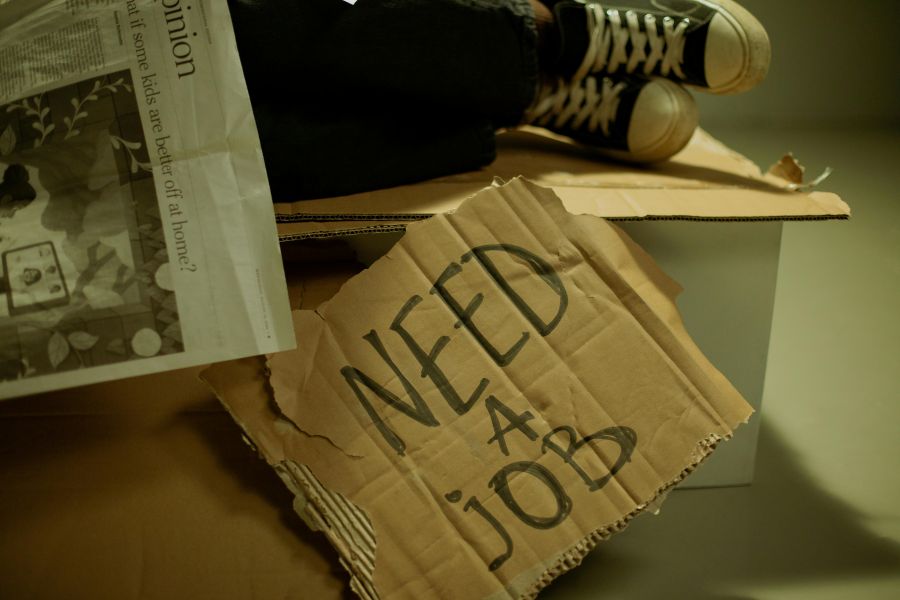
When an employee is fired, a common question that arises is whether they can collect unemployment benefits. Unemployment eligibility varies depending on the circumstances of the termination. In most cases, unemployment benefits are available to individuals who lose their jobs for reasons beyond their control. However, being fired for certain reasons, such as misconduct, may disqualify an employee from receiving unemployment. This article explores whether fired employees can collect unemployment benefits, outlines key eligibility requirements, and discusses their rights in the U.S.
We’ll also delve into the unemployment system, including how benefits are funded, the role of employers in the process, and the factors that may impact whether a fired employee qualifies for benefits. By the end of this guide, you’ll have a comprehensive understanding of the unemployment process and what you can do if you’re in this situation.
Can fired employees collect unemployment?
Yes, fired employees may qualify for unemployment benefits, but it depends on the reason for their termination. Employees fired for poor performance or layoffs may be eligible, while those fired for misconduct (e.g., theft, substance abuse) are typically ineligible. Each state has specific guidelines for determining eligibility, so it’s essential to check local laws and regulations.
How Does the Unemployment System Work for Fired Employees?
When you lose your job, can you get unemployment if you get fired? It depends on the reasons behind your termination. Understanding how unemployment insurance works is key to determining if you’re eligible for benefits.
Unemployment Insurance Basics
Unemployment insurance is a joint federal-state program that provides temporary financial assistance to individuals who have lost their jobs through no fault of their own. Employees who are laid off, furloughed, or fired for non-misconduct reasons may qualify to receive unemployment benefits.
Eligibility for Unemployment
To qualify for unemployment benefits, employees must meet specific state requirements, which typically include:
- A minimum amount of time worked in a recent period (often the last 18 months).
- Earnings thresholds based on previous employment.
- The termination must be for reasons beyond the employee’s control (i.e., not due to misconduct).
Who Is Ineligible for Unemployment Benefits After Being Fired?
Misconduct and Its Impact on Eligibility
Employees who are fired for certain types of misconduct are usually ineligible for unemployment benefits. Misconduct includes actions such as:
- Theft
- Chronic absenteeism without valid reasons
- Failing a drug test or coming to work intoxicated
- Violating company policies intentionally
Performance Issues vs. Misconduct
It’s important to distinguish between poor performance and misconduct. If you’re fired for not meeting job expectations but didn’t violate any policies, you might still be eligible for unemployment benefits. However, firing due to gross misconduct is more likely to disqualify you.
State-Specific Rules
Each state has different eligibility guidelines. While one state might disqualify workers fired for poor performance, others may allow claims based on a lack of evidence of misconduct. Always check with your state’s unemployment office for specific eligibility criteria.
How to Apply for Unemployment After Being Fired?
Once you know you’re eligible for unemployment, the next step is to apply. Here’s how to proceed:
Step 1: Gather Necessary Documents
Personal information, including your Social Security number and contact details.
Employment history for the last 18 months.
The reason for termination (your employer may be required to provide this information).
Step 2: File Your Claim
Most states allow online claims through their unemployment websites.
Alternatively, you can file by phone or in person at your local unemployment office.
Step 3: Wait for Approval
After filing, you will receive a determination of eligibility. If your claim is approved, you’ll start receiving payments (typically within a few weeks).
What Are the Rights of Fired Employees Regarding Unemployment?
Fired employees have certain rights when it comes to unemployment benefits. Here’s what you should know:
- Right to Final Paycheck: Regardless of the reason for termination, employees are entitled to receive their final paycheck for the work they’ve done, including any unused vacation or paid time off.
- Right to Appeal a Denied Claim: If your unemployment claim is denied, you have the right to appeal the decision. Most states allow you to request a hearing or submit additional documentation to support your claim.
- Right to Health Insurance (COBRA): Fired employees may be eligible to continue their health insurance coverage under COBRA (Consolidated Omnibus Budget Reconciliation Act) for up to 18 months after employment ends, although they may need to pay the full premium.
Can Employers Contest an Unemployment Claim?
Employers have the right to contest an unemployment claim if they believe it is invalid or misleading. The process typically begins when an employee files a claim for unemployment benefits. If the employee was terminated for misconduct or violated company policies, such as theft or insubordination, the employer can dispute the claim. Similarly, if the employee fails to meet the work or wage requirements for eligibility, the employer has grounds to contest the claim.
Once the claim is filed, employers are notified and given the opportunity to respond. During this process, they can submit evidence to support their case, such as performance reviews, documented warnings, or termination letters. This evidence helps establish the reasons for the employee’s dismissal and can demonstrate that the firing was justified.
To effectively contest an unemployment claim, employers should ensure they have clear and thorough documentation of the employee’s termination. Keeping accurate records of the termination process, including written warnings and communications, is essential. Proper documentation not only strengthens the employer’s position but also helps prevent costly litigation if the dispute escalates.
Conclusion
Can you get unemployment if you get fired? Yes, you can, but eligibility depends on the circumstances of your termination. If you were fired for reasons such as poor performance, you may still qualify for benefits. However, if you were dismissed for misconduct, such as theft or violating company policies, you are less likely to qualify.
The unemployment system is designed to provide support to those who lose their jobs through no fault of their own, and understanding your rights and eligibility is key to navigating this process.
FAQ’s
Can I collect unemployment if I was fired for poor performance?
Yes, you can typically receive unemployment benefits if you were fired for poor performance and not for misconduct. However, rules vary by state.
What types of misconduct disqualify you from unemployment?
Misconduct such as theft, substance abuse, chronic absenteeism, and safety violations can disqualify you from receiving unemployment benefits.
How long does it take to get unemployment after being fired?
It typically takes about 2-3 weeks after filing your claim to receive your first unemployment check, depending on your state’s processing times.
Can I appeal if my unemployment claim is denied?
Yes, you have the right to appeal a denied claim. You can provide additional evidence to support your case and request a hearing.
What rights do I have as a fired employee?
As a fired employee, you are entitled to your final paycheck, may have the right to continue your health insurance through COBRA, and can appeal any denial of unemployment benefits.
